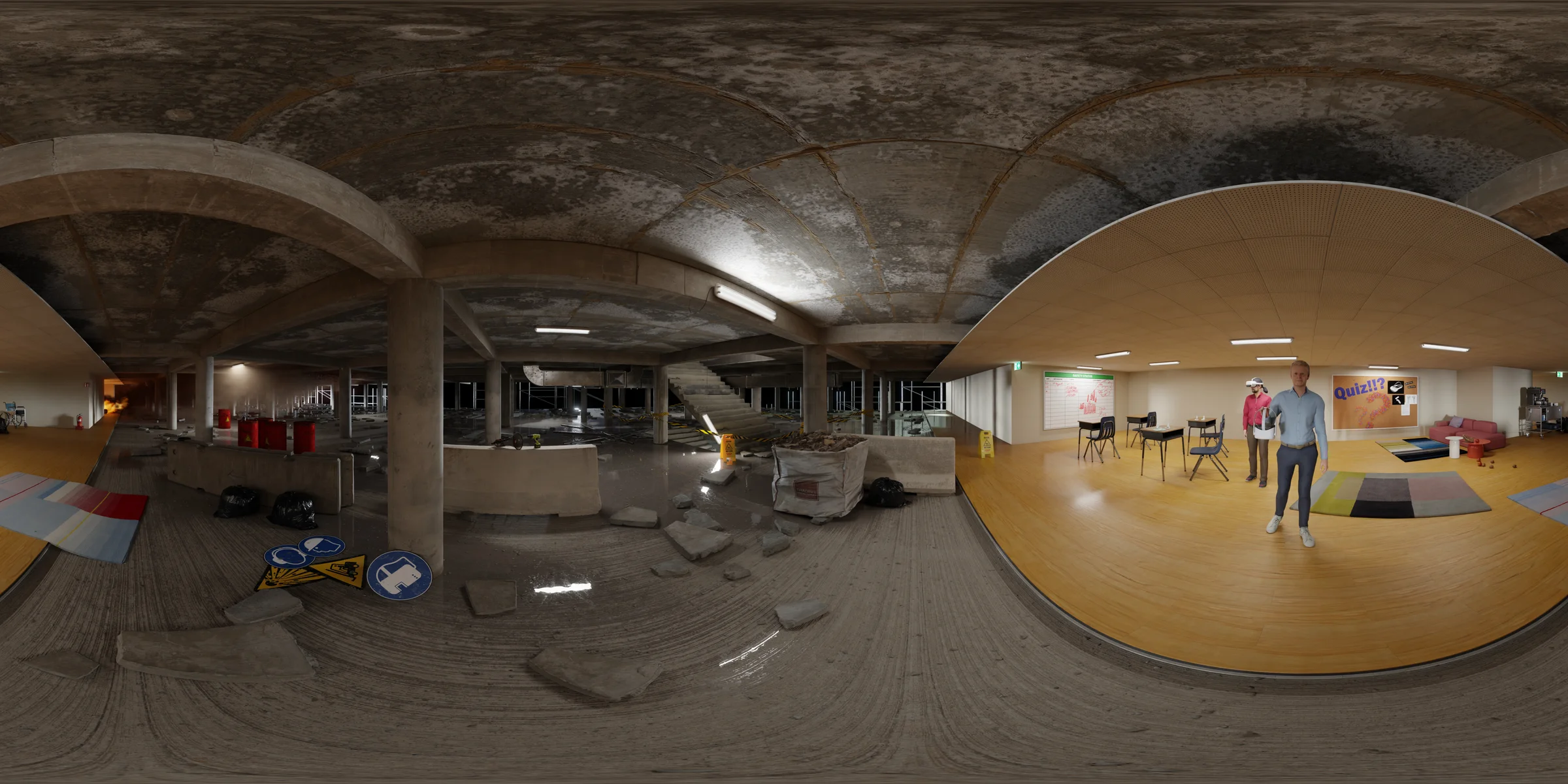
# Enter XR Panoramic Showroom This 360 image is part of a panoramic showroom for Enter XR (formerly called Safety X), one of the products VRtual X is selling. Enter XR is all about safety at the workplace. The idea is that learning by doing works best and VR allows you to make all the mistakes that would be fatal in real life. The image shows as many different safety hazards as possible. Safety training is essential not only for jobs outside of the office. A lot of different Blender techniques have been used for this scene. There is physics and cloth simulation, geometry nodes, particle systems, a custom height-blend shader, fire and smoke simulation, 3D scanning, rigging and probably more. This shows what an awesome all-round package Blender is.
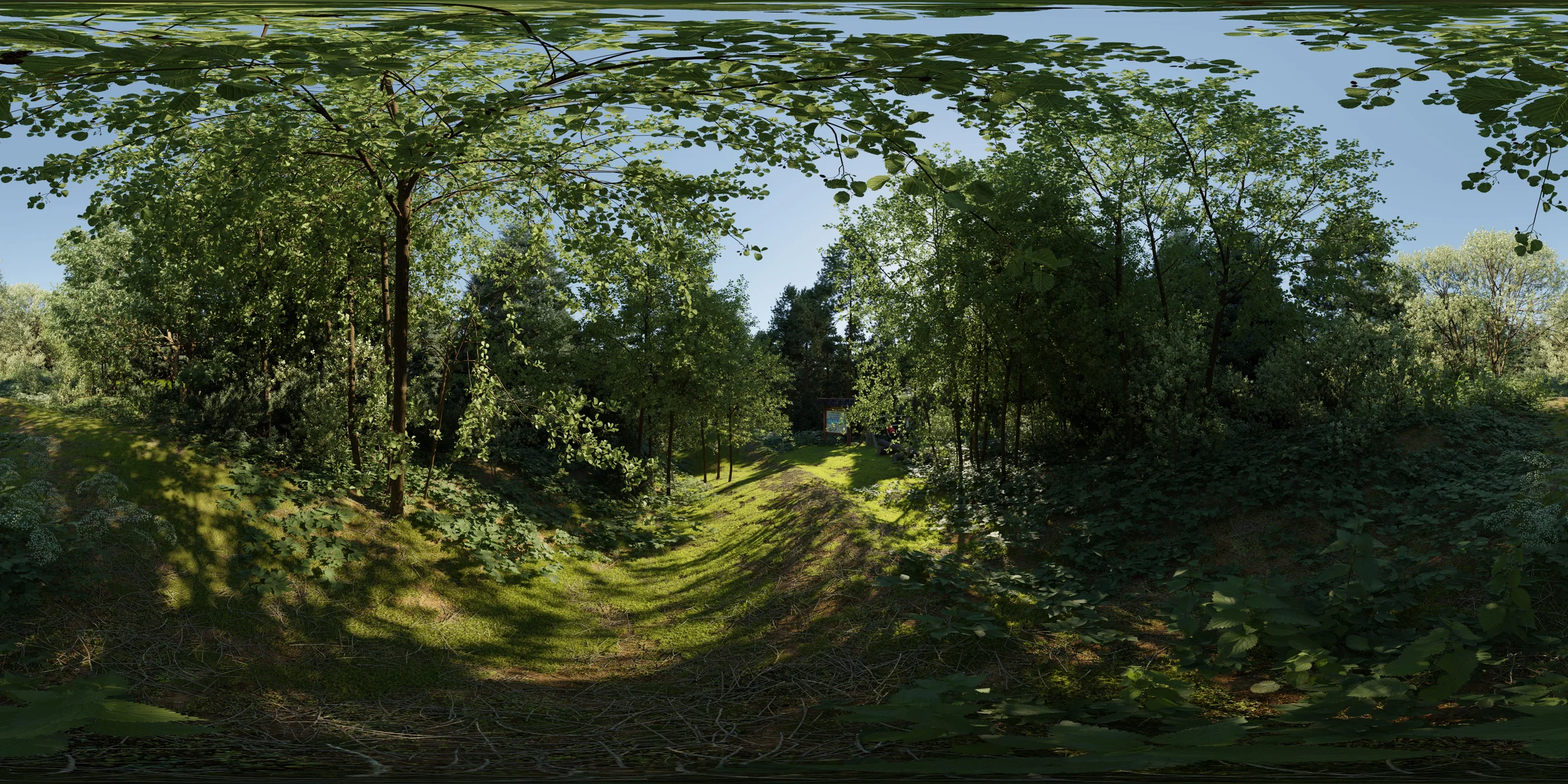
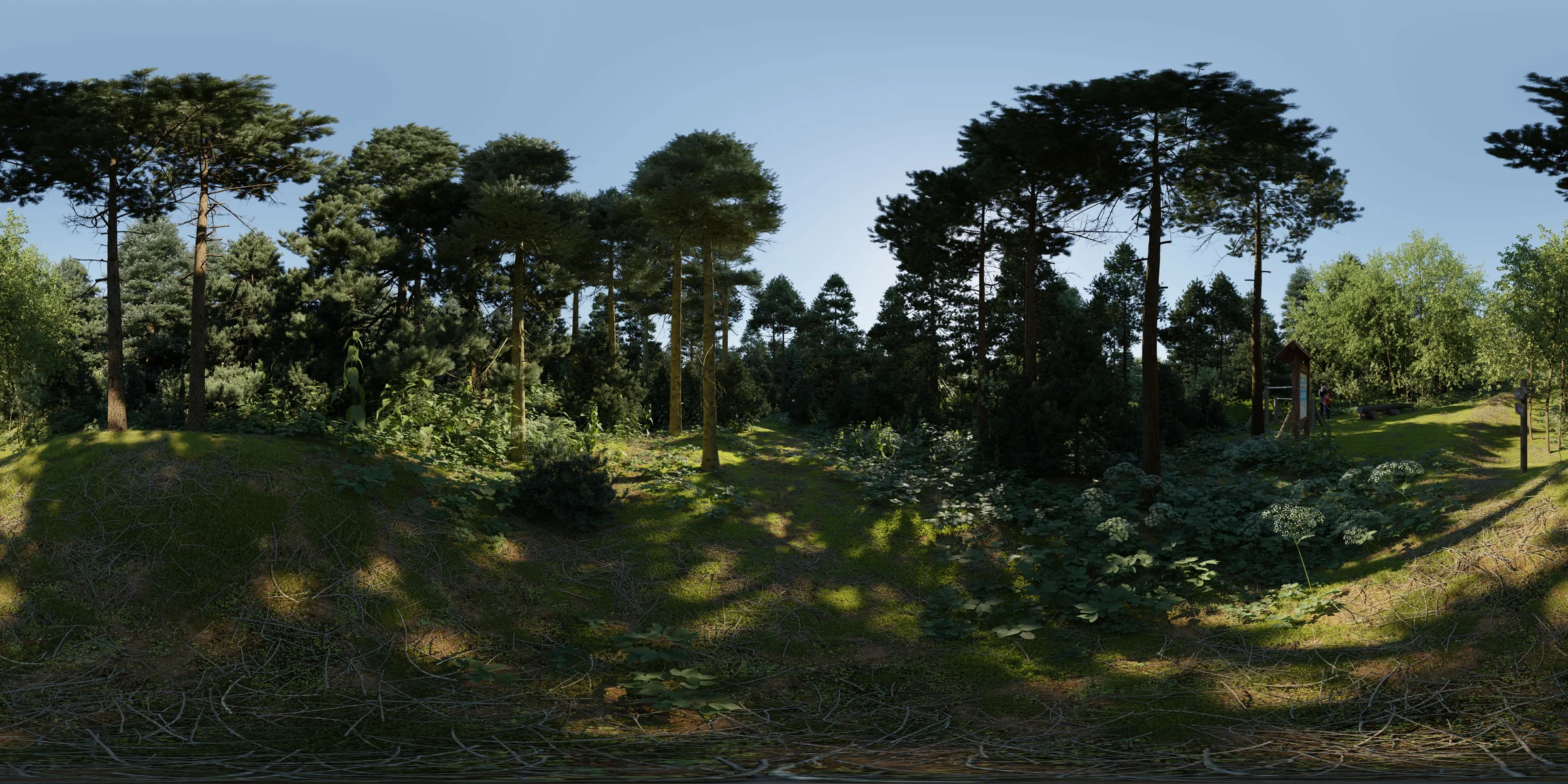
# Forest of Knowledge In this very large project I worked on at VRtual X we created a forest environment for a 360 panoramic showroom. Overall we did about 40 panoramic renderings in this environment. [...]
As the lead artist, I was responsible for all the vegetation and environment work. Other members of the team worked on the props that were placed in the environment. I used a lot of different Blender add-ons for this one. The trees and the medium-sized foliage were generated using The Grove. They were then placed in the environment using Scatter. The small vegetation was added with Graswald. We also used assets from Quixel and other libraries. The rendering was done with the custom Kubernetes render farm I set up for VRtual X. We have a Blender add-on that lets us control it from inside of Blender. It's very cool. Thanks to CoreWeave for helping me get started with that one.
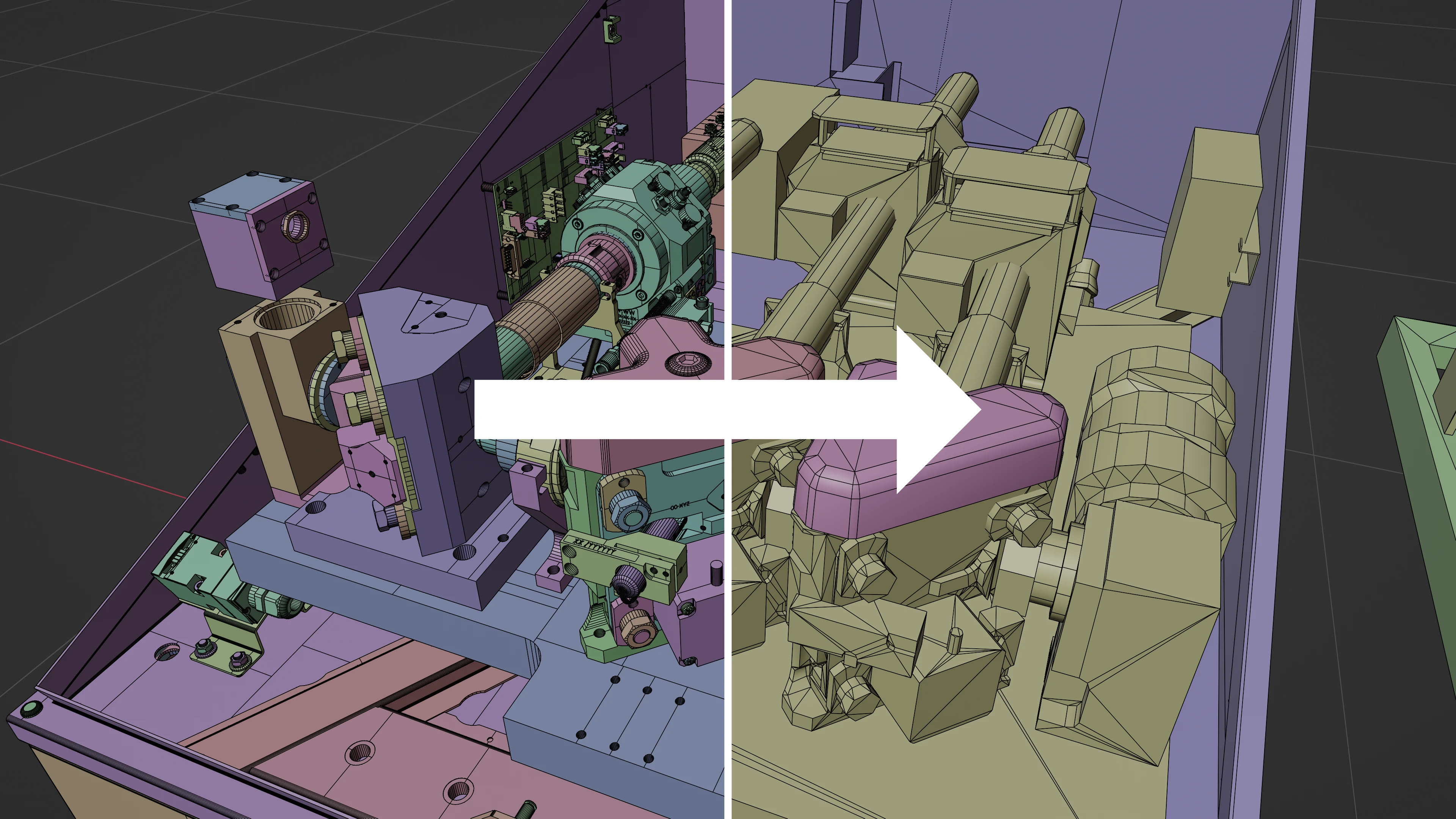
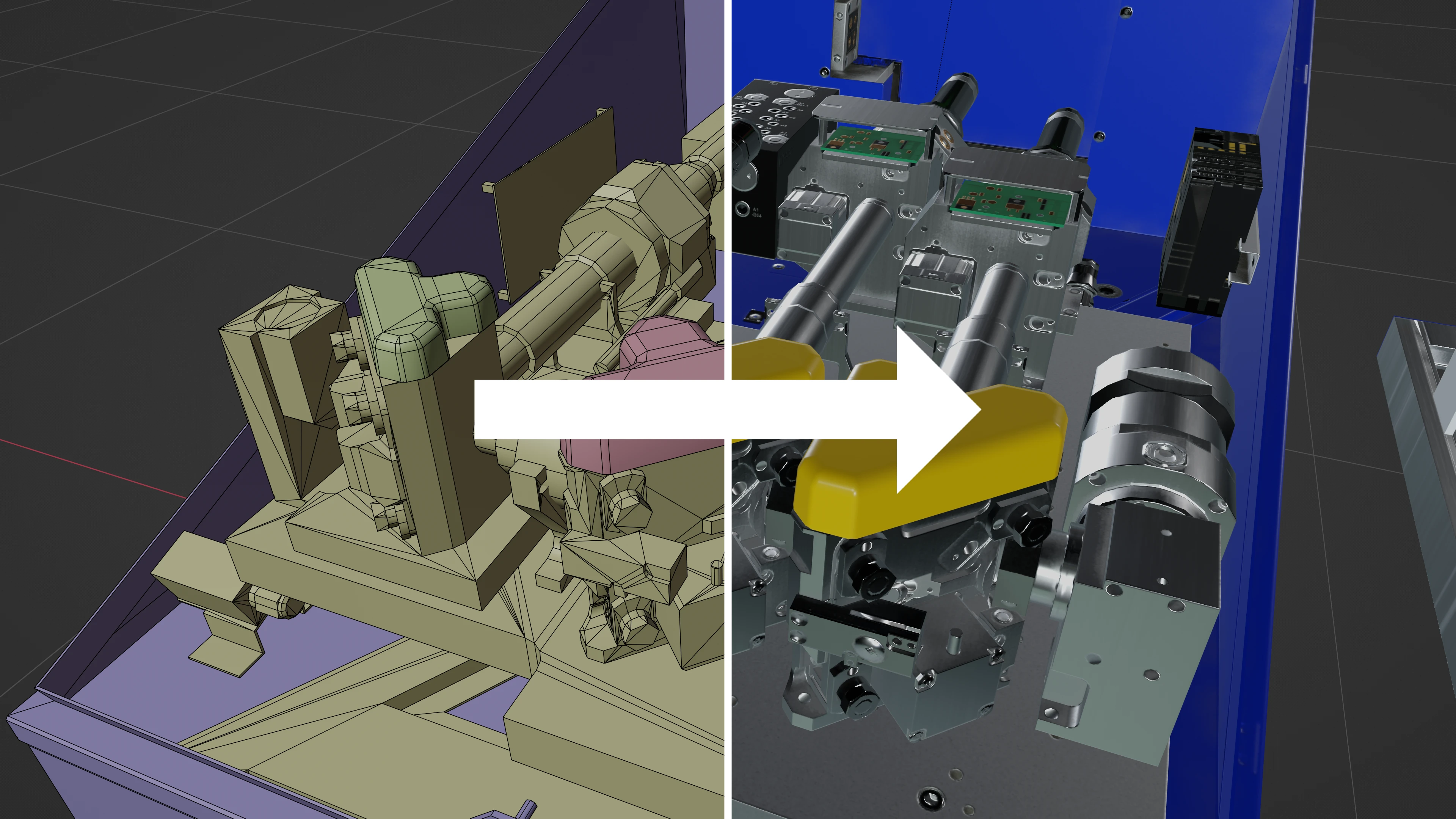
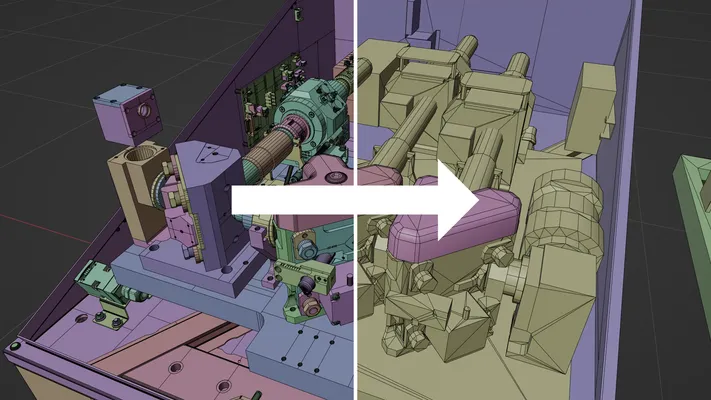
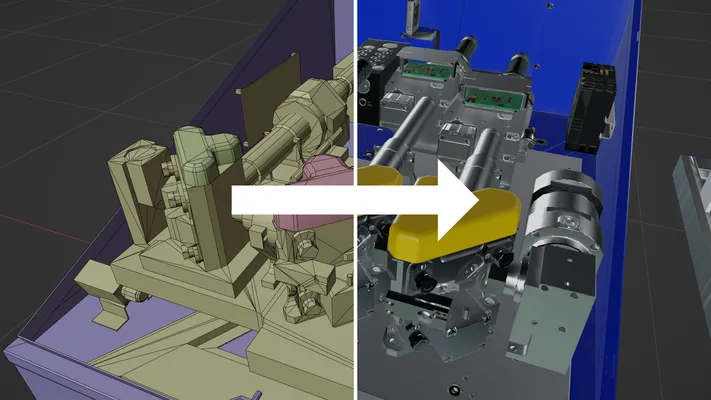
Often CAD models are hard to use directly in mobile VR applications with tight performance targets. To integrate them into a larger scene, they need to be optimized. To make that process more streamlined, I developed custom tools for VRtual X. [...]
I integrated some of my tools into an in-house Blender add-on, some use python or the FBX SDK outside of Blender. Sometimes an automatic conversion is enough, but often manual intervention is still required. For the TruFiber 6000 S the triangle count had to be reduced to less than 1% of the original CAD export. For texturing I use Marmoset Toolbag, Substance Painter and SimpleBake to define surface materials and transfer details from CAD to lowpoly geometry.
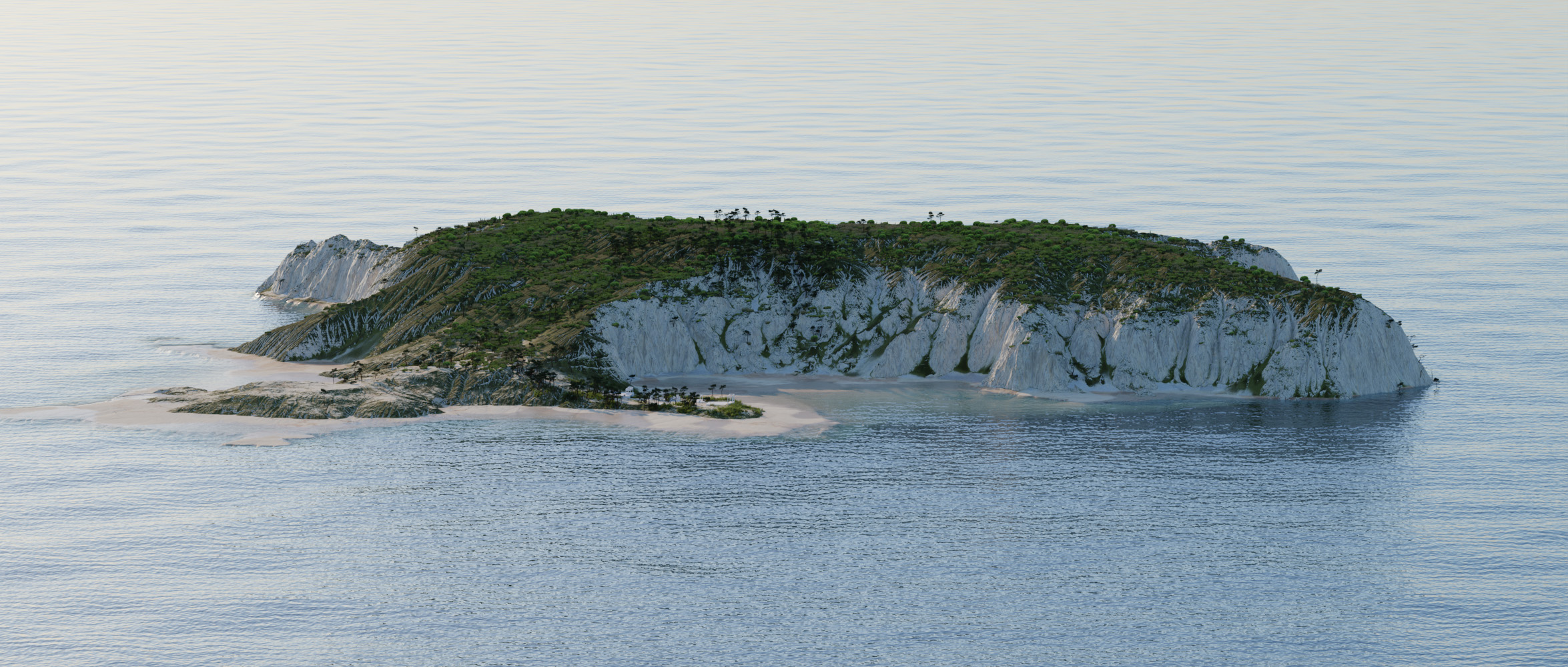
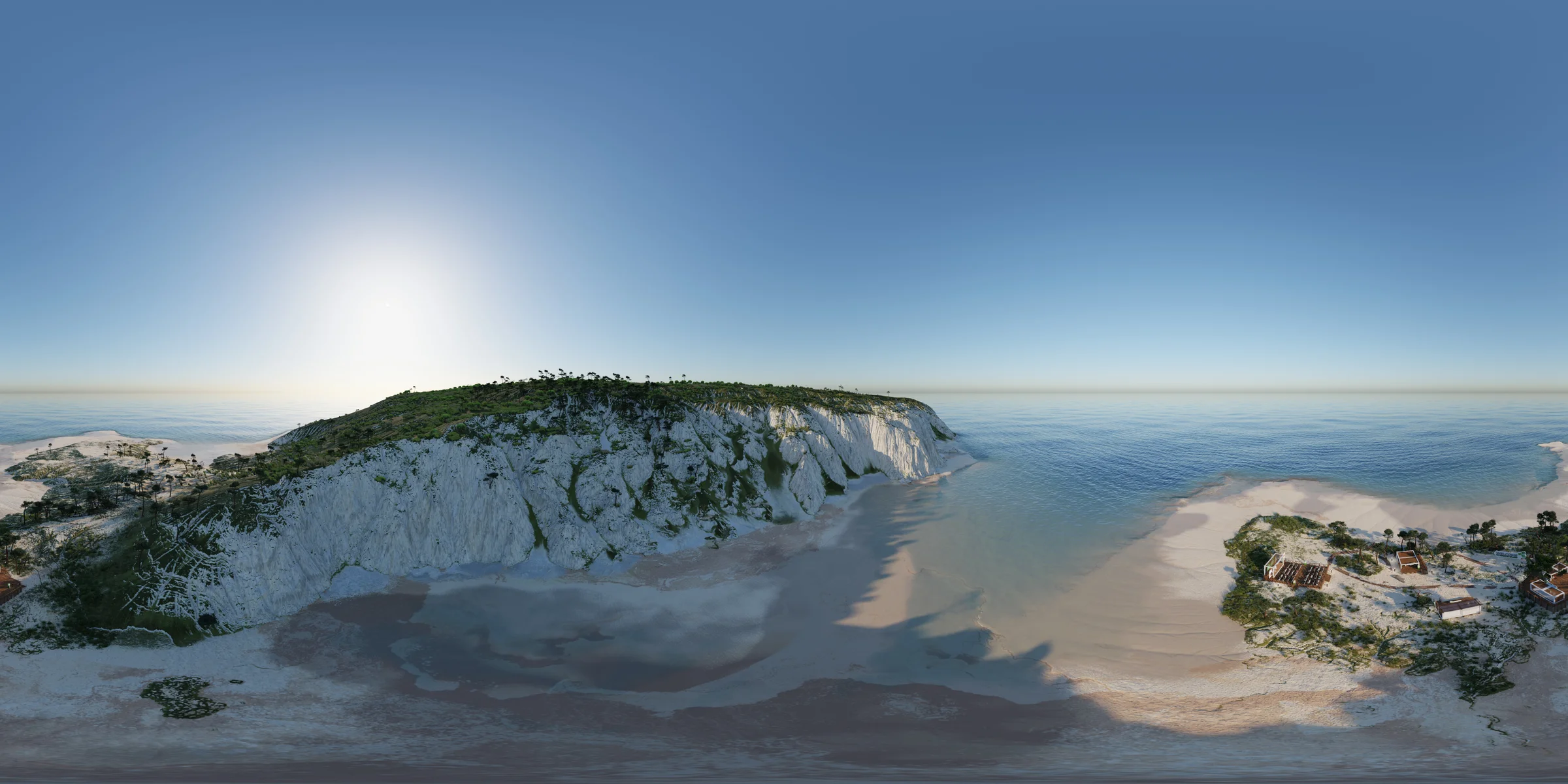
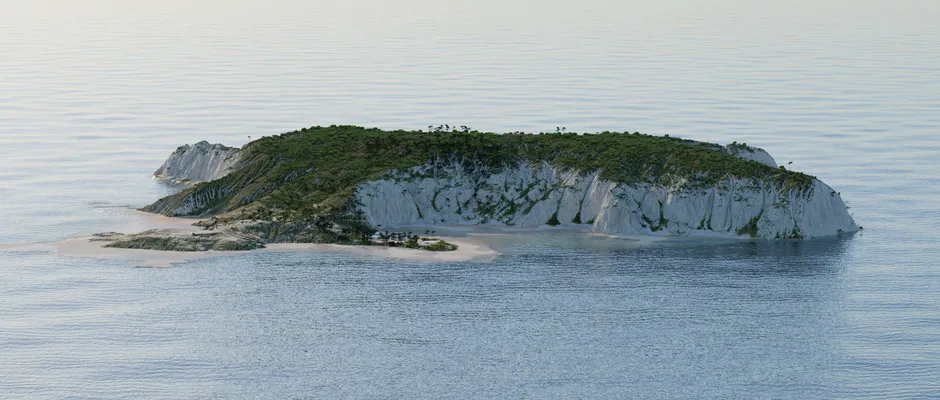
# North Sea Island For this project, I set out to create an island that could be located in the North Sea. One of the main inspirations was the biggest German island, Rügen. It has cliffs made of chalk. I generated the terrain in Gaea. This is a very cool and easy-to-use tool for node-based terrain generation. It outputs image maps for use in other programs. As the lead artist on this project, I was responsible for the environment, scene setup and lighting. Except for the layout, I did not work on the architecture located on the island. In its final stage, this project is a panoramic tour around the beach area. However, because my main challenge was the environment, I am showing a wide shot of the island here.
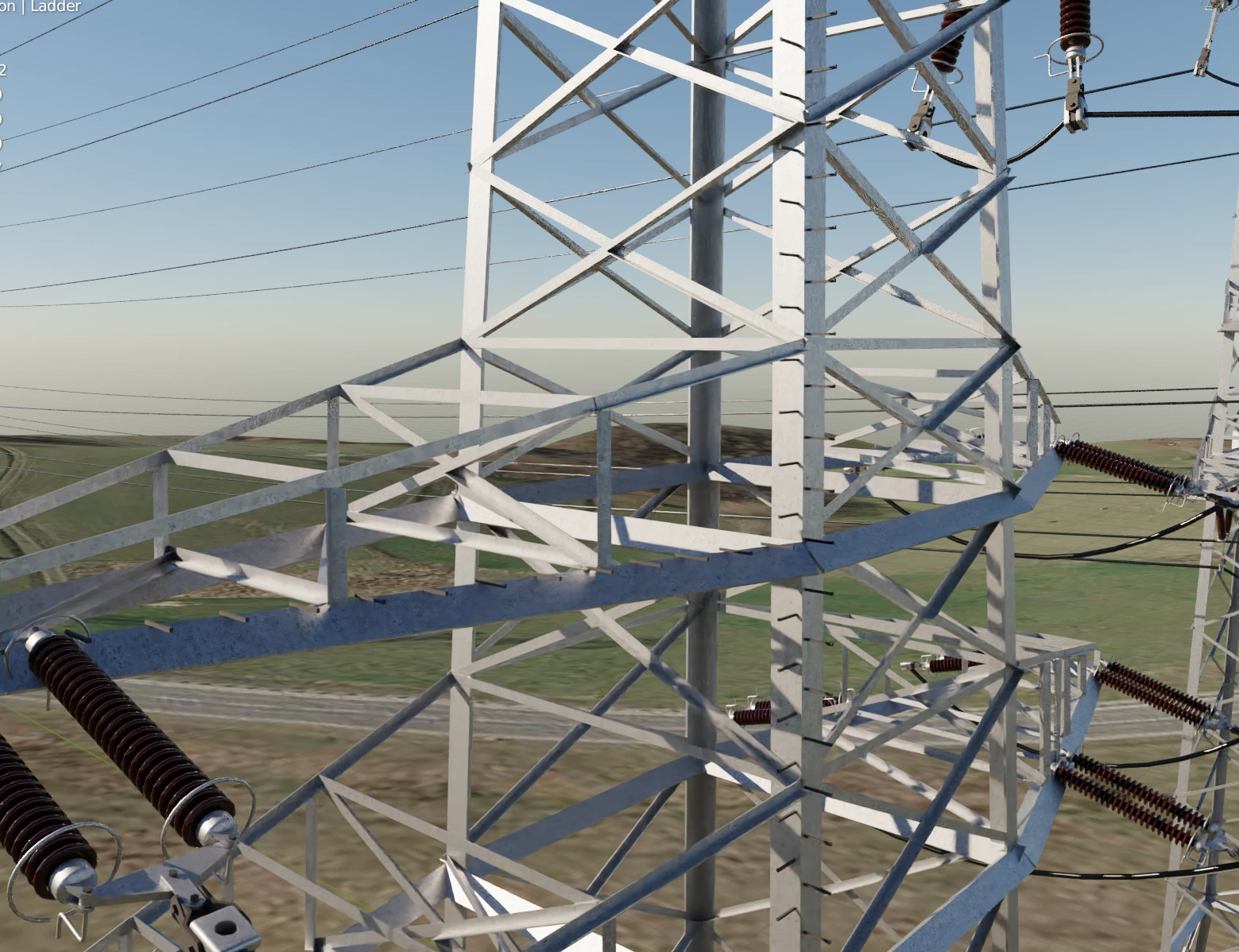
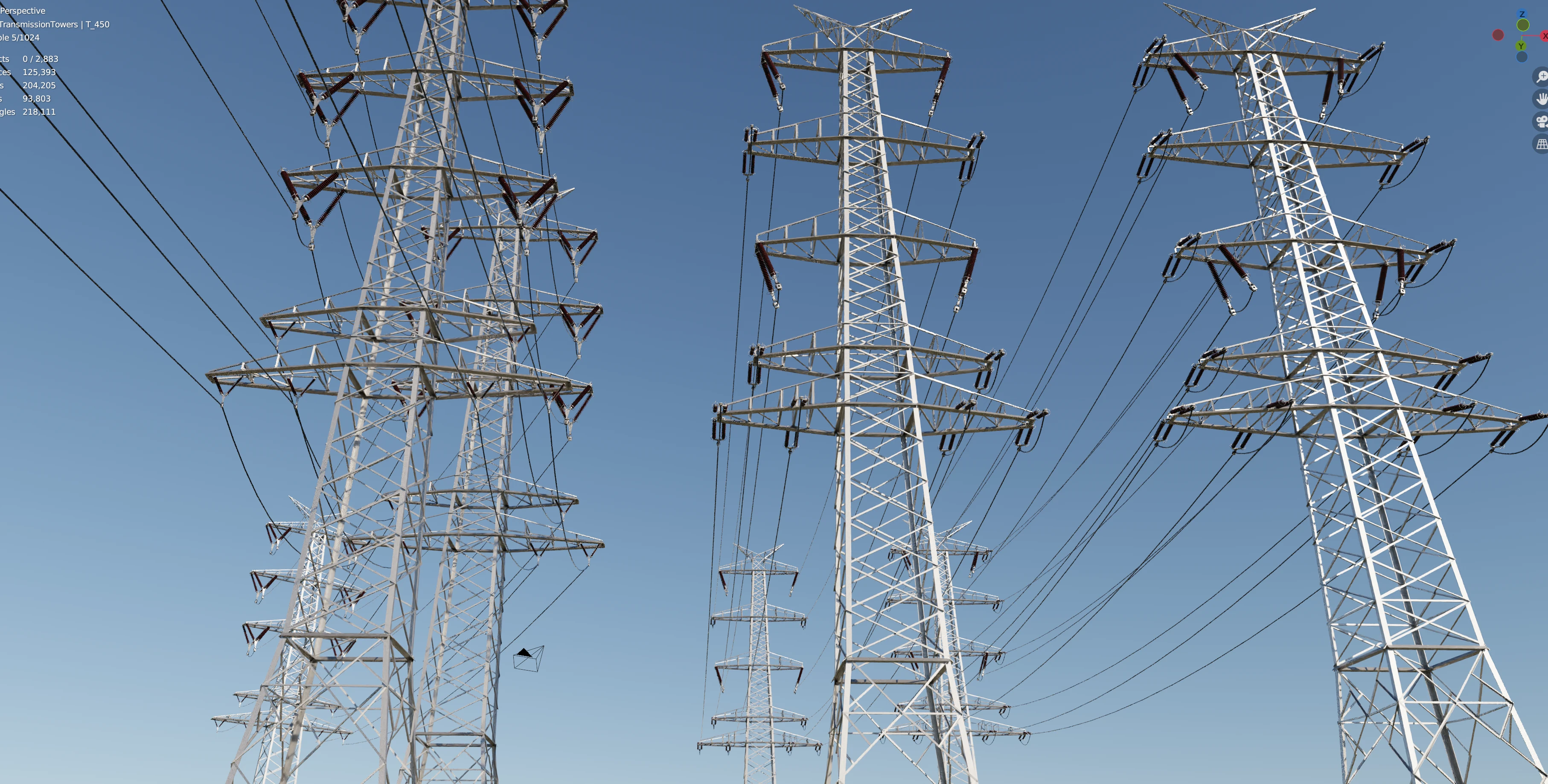
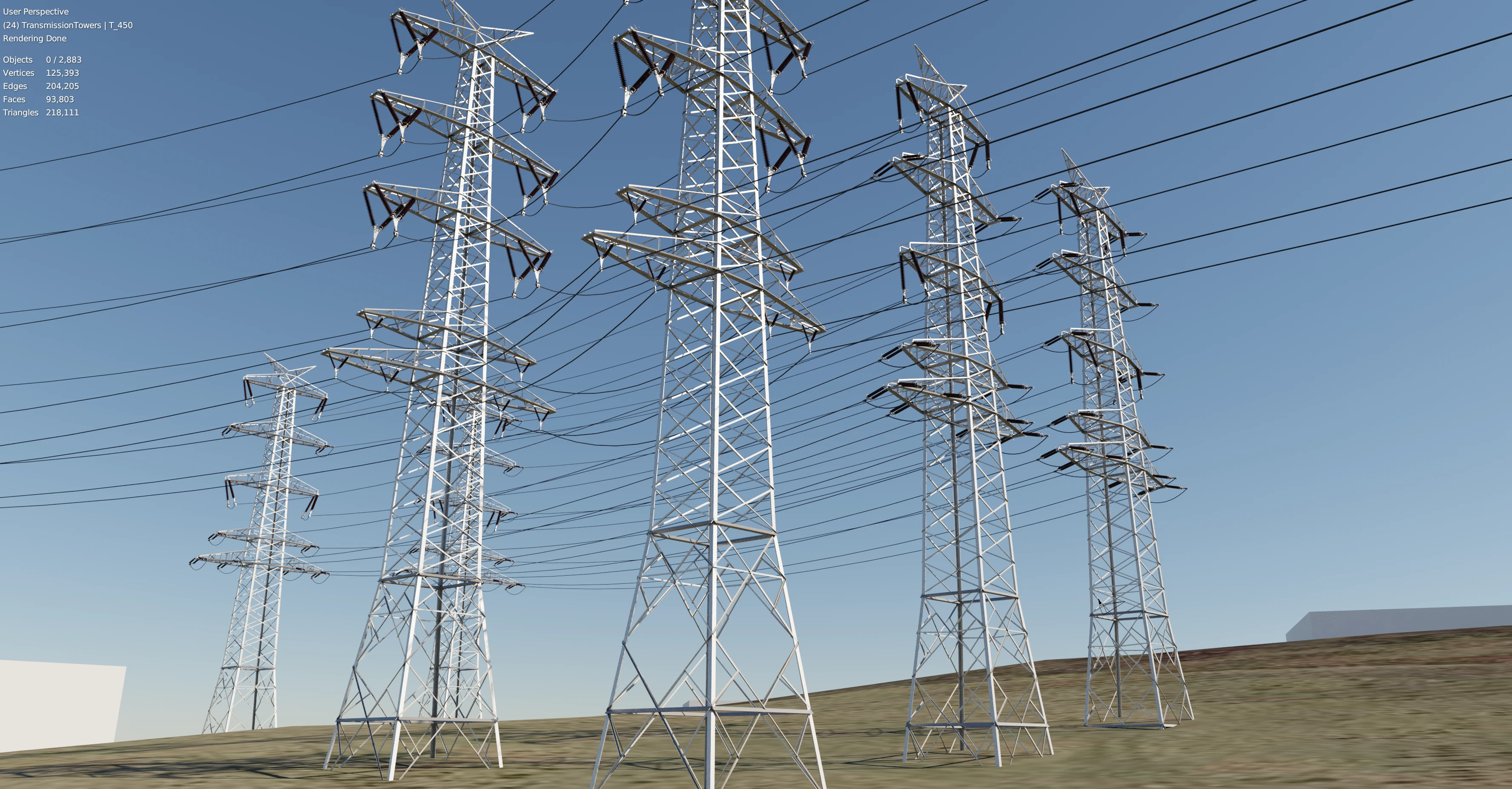
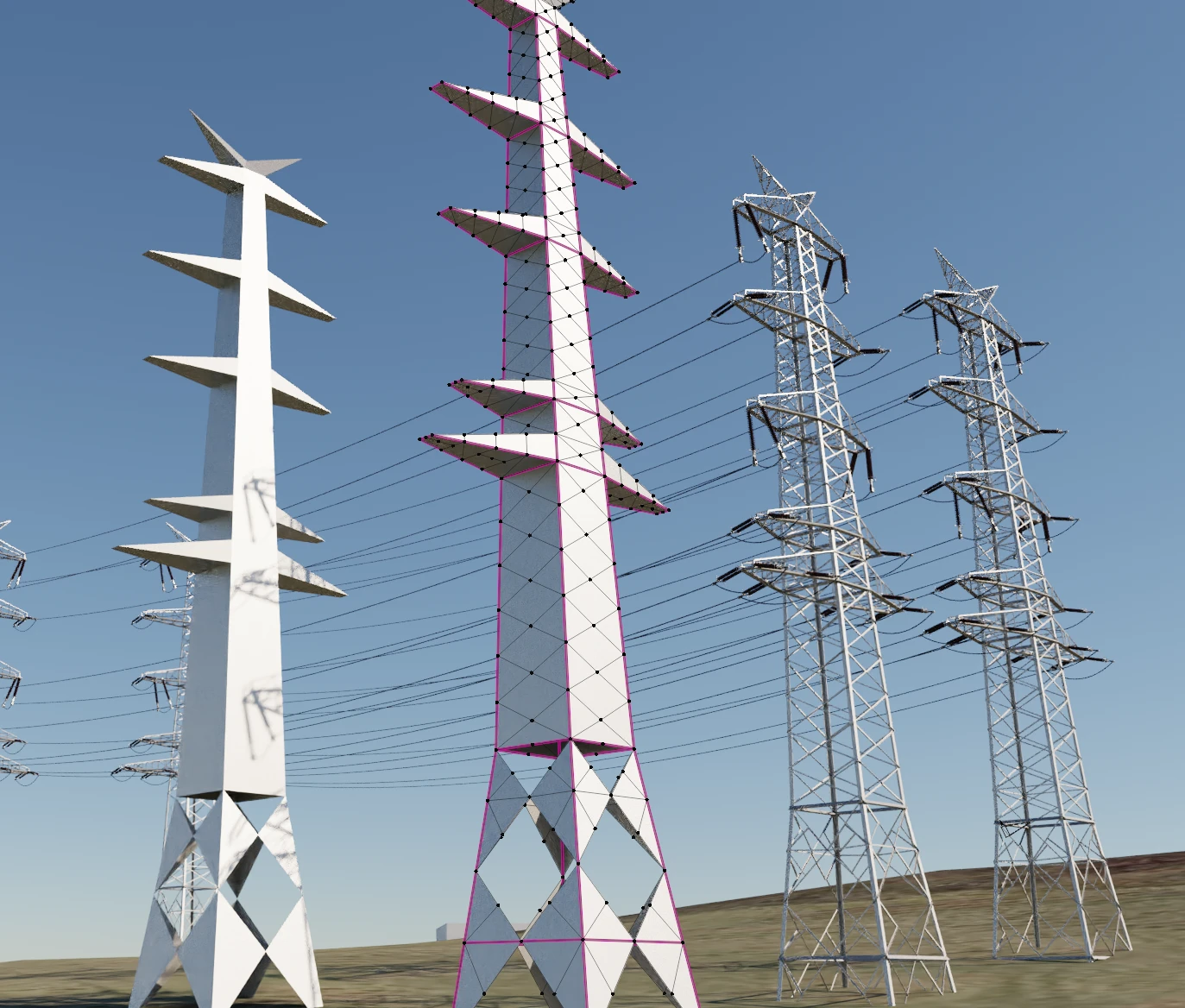
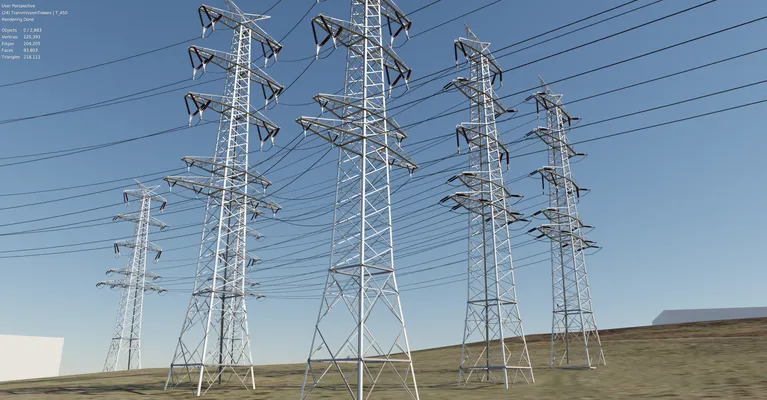
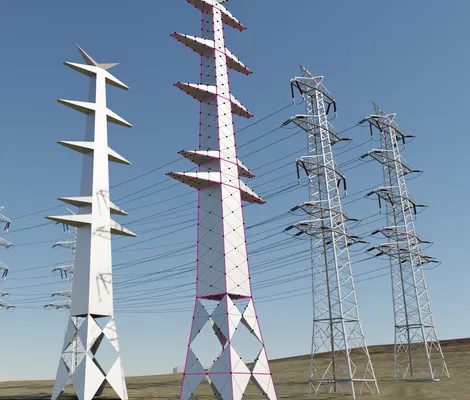
Since Blender introduced geometry nodes I have been using them A LOT. These transmission towers are modeled as a lowpoly block-in. Geometry nodes then uses that lowpoly mesh to place all the beams, wires, insulators and details.
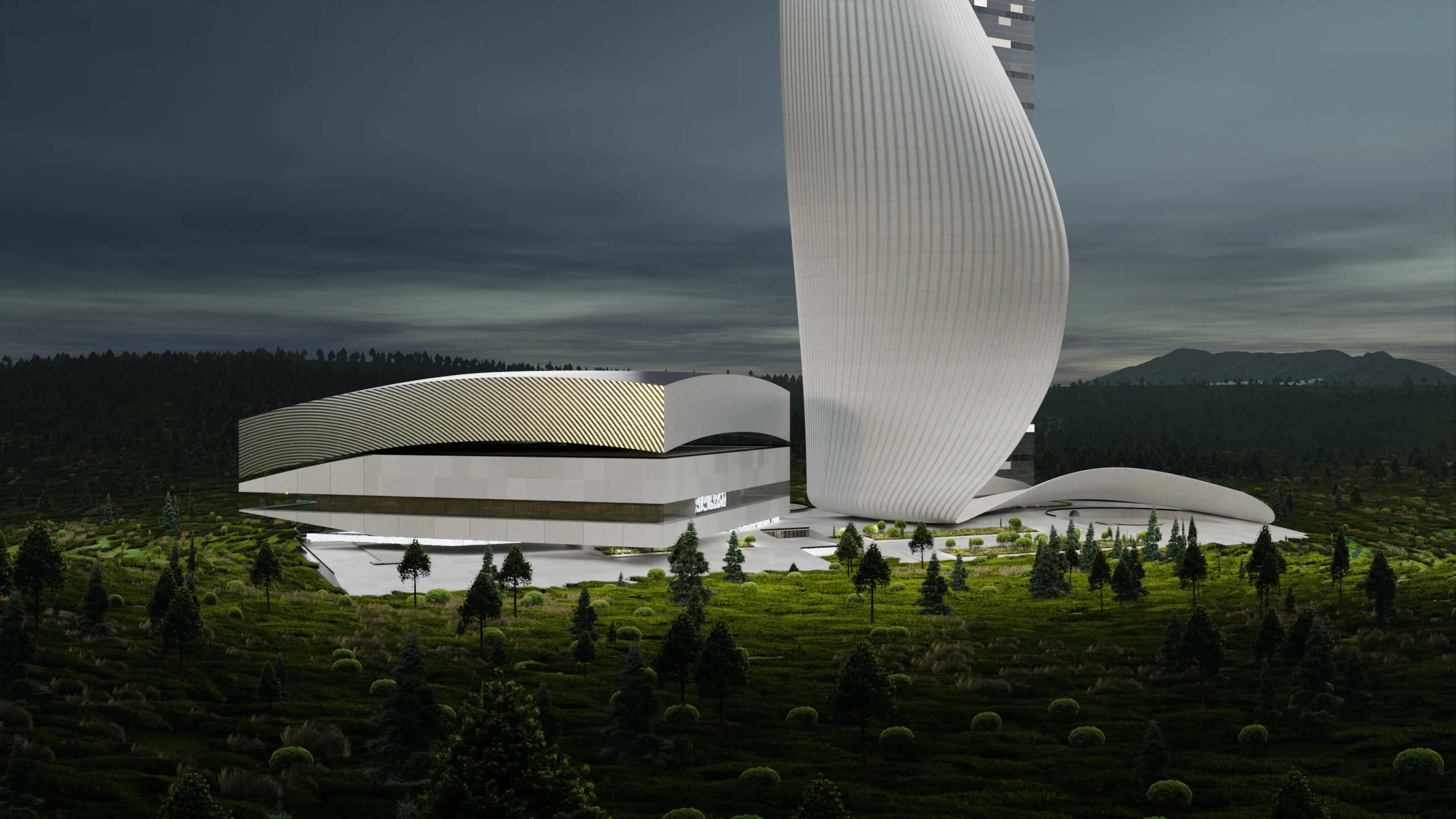
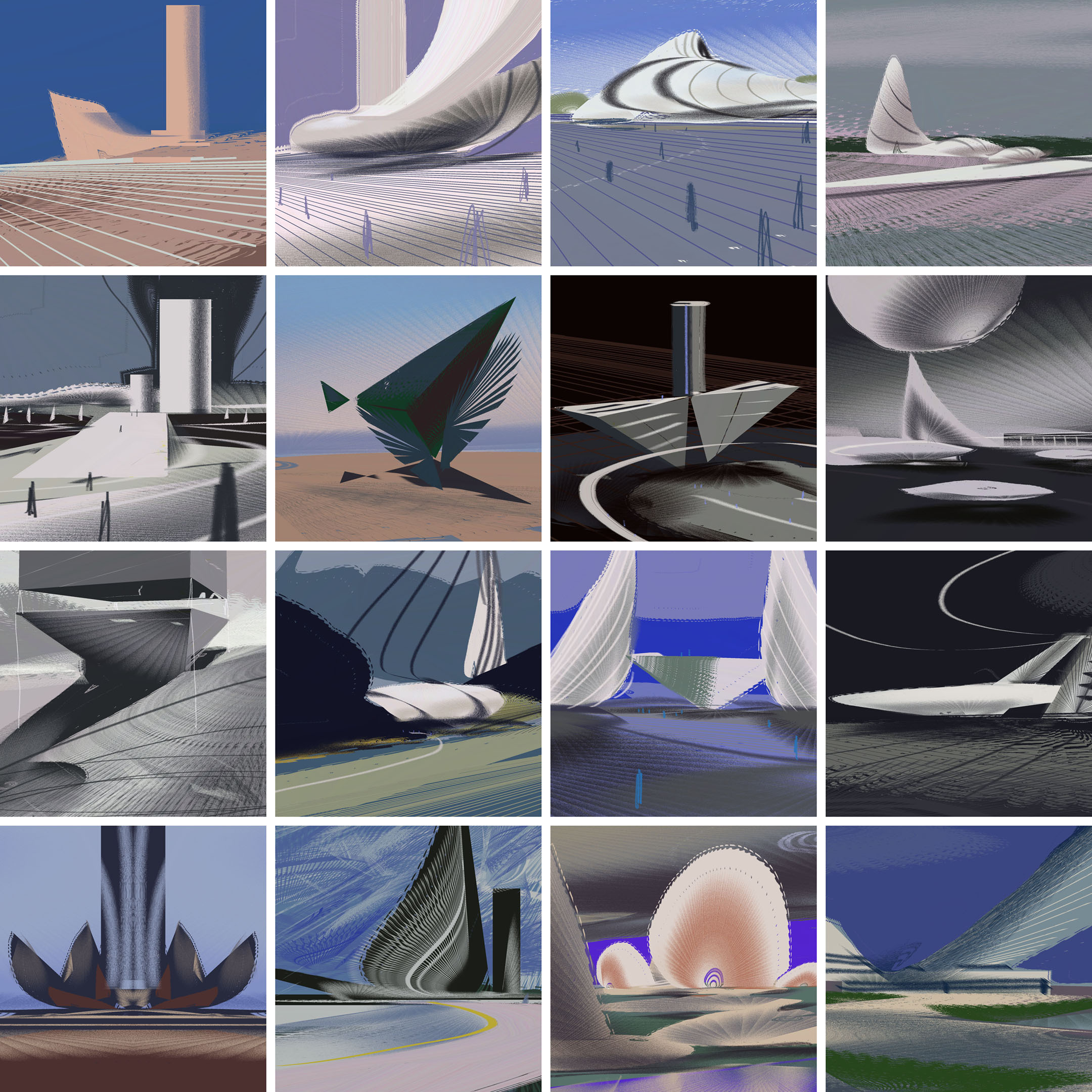
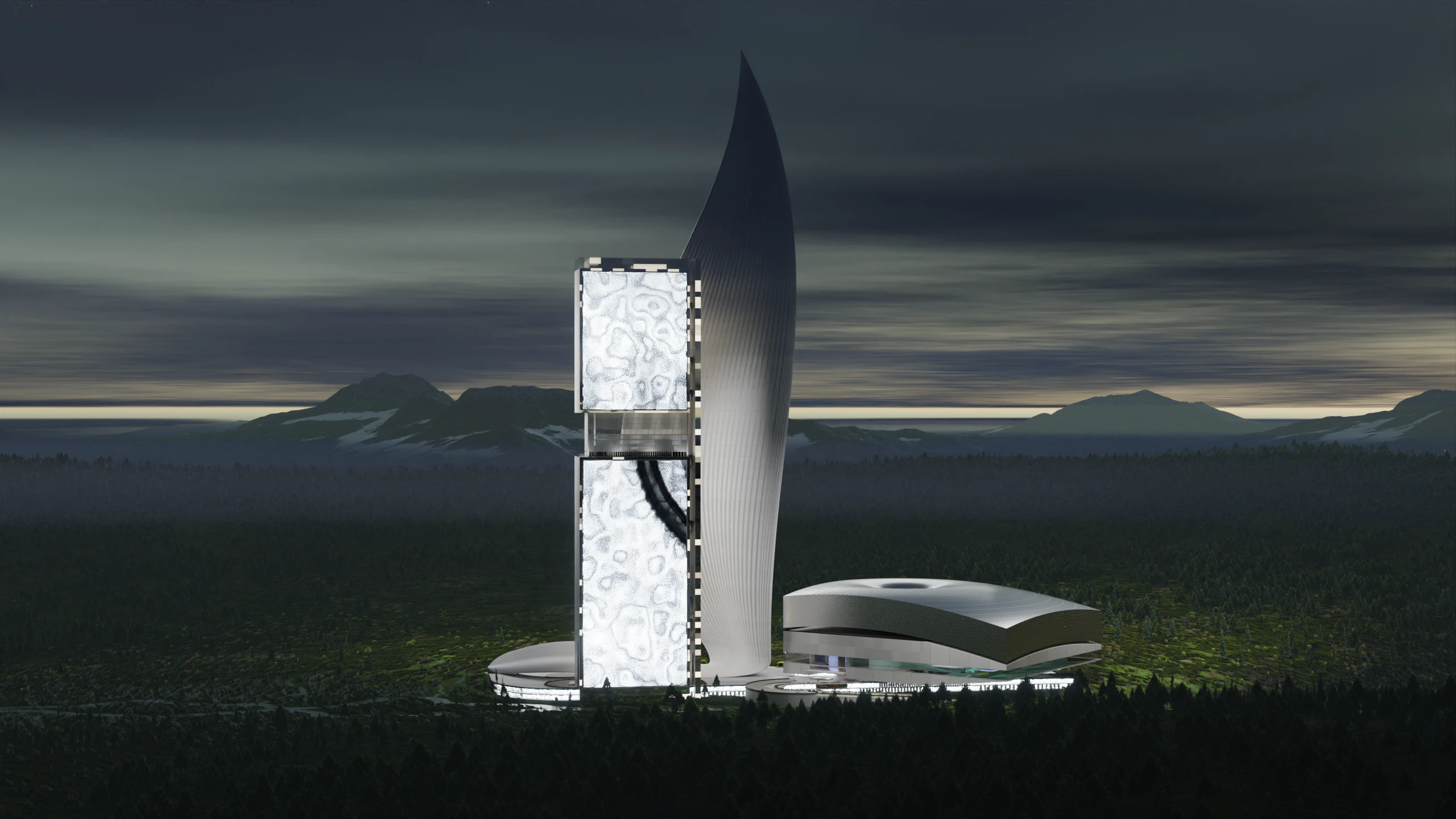
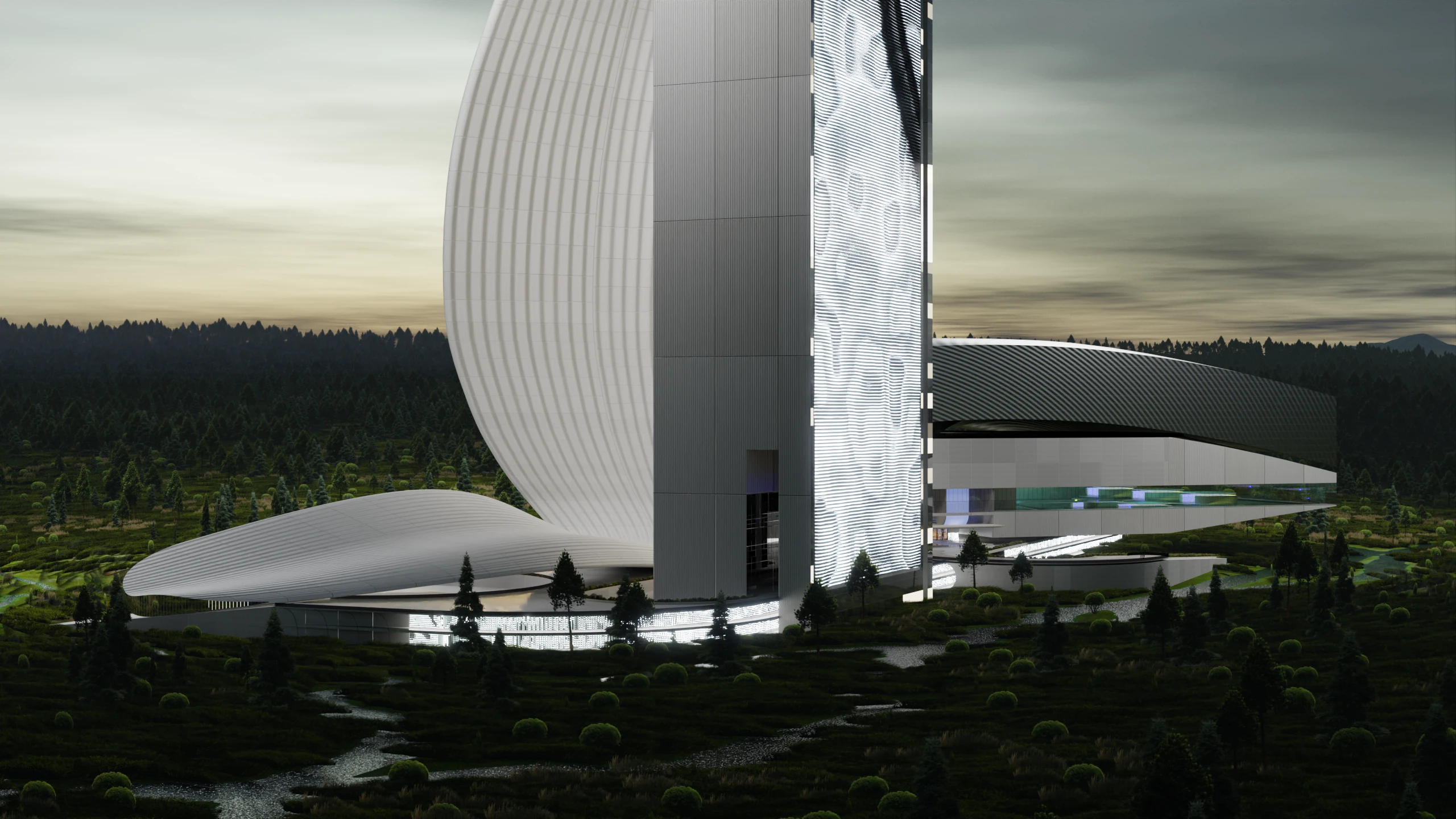
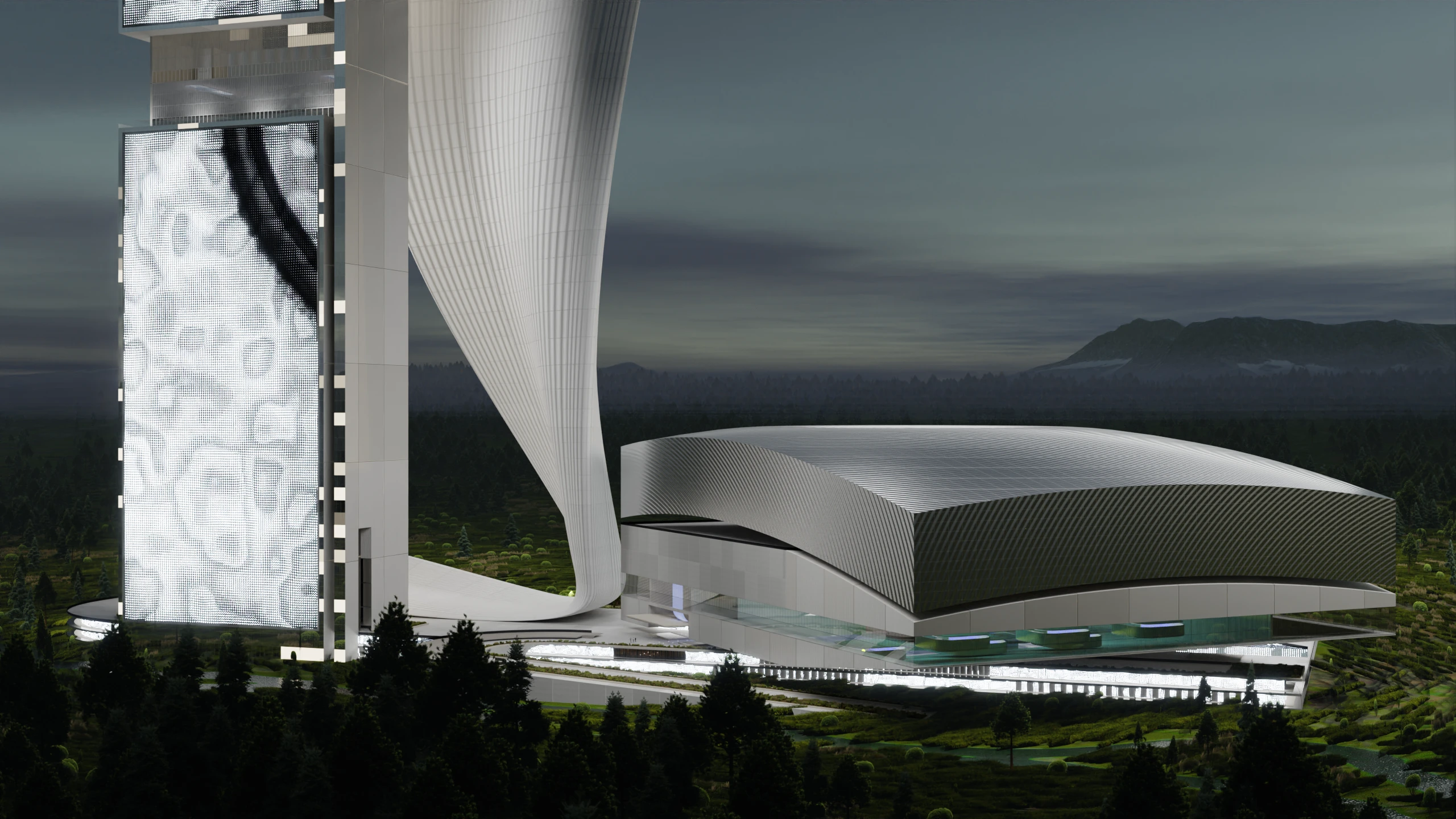
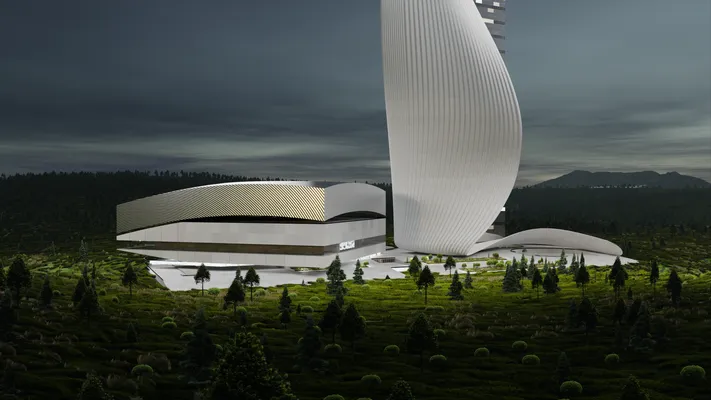
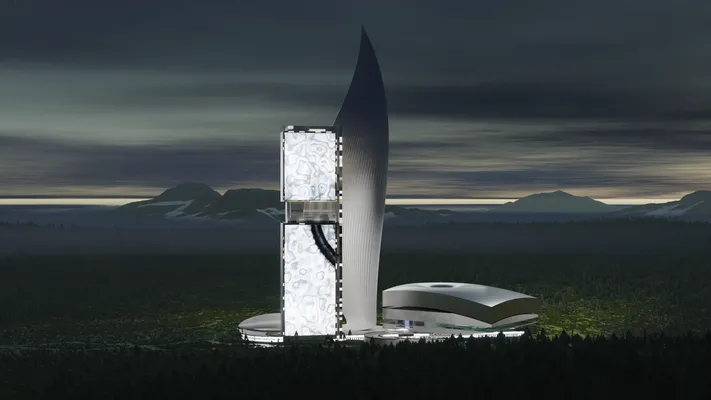
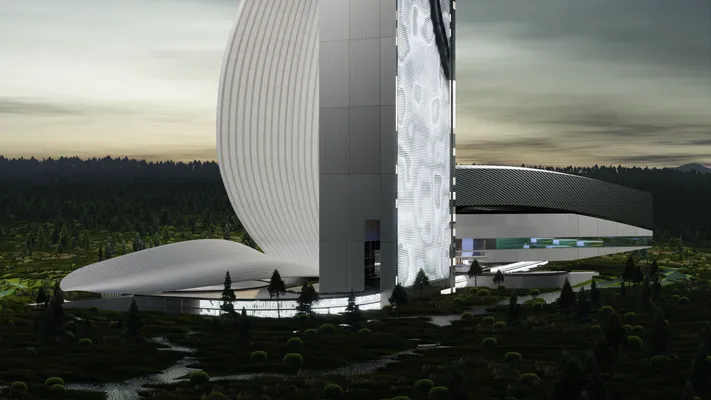
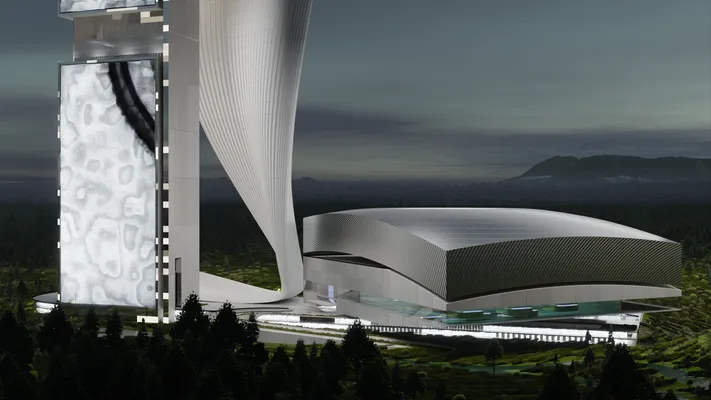
# Virtual Art Gallery I designed a virtual art gallery building for this VRtual X project. Later it is supposed to house real exhibitions of VR-artwork, NFT-artwork as well as traditional art. The exhibition space is designed so that each art medium has its own separate building. They are connected via a large plate at the bottom. This time the focus was on the architecture, not the environment. Oscar Niemeyer and Zaha Hadid were two of the main sources of inspiration for the design of the building. I modeled the building in Moi3D and exported it to Blender for further work. Later I also brought the whole exhibition space into Unreal.
This is a small Blender Geometry Nodes experiment, where I wanted to try out methods to generate complex geometry from simple blockout meshes. It turned into a kind of horror scene that reminds me of a steel mill.
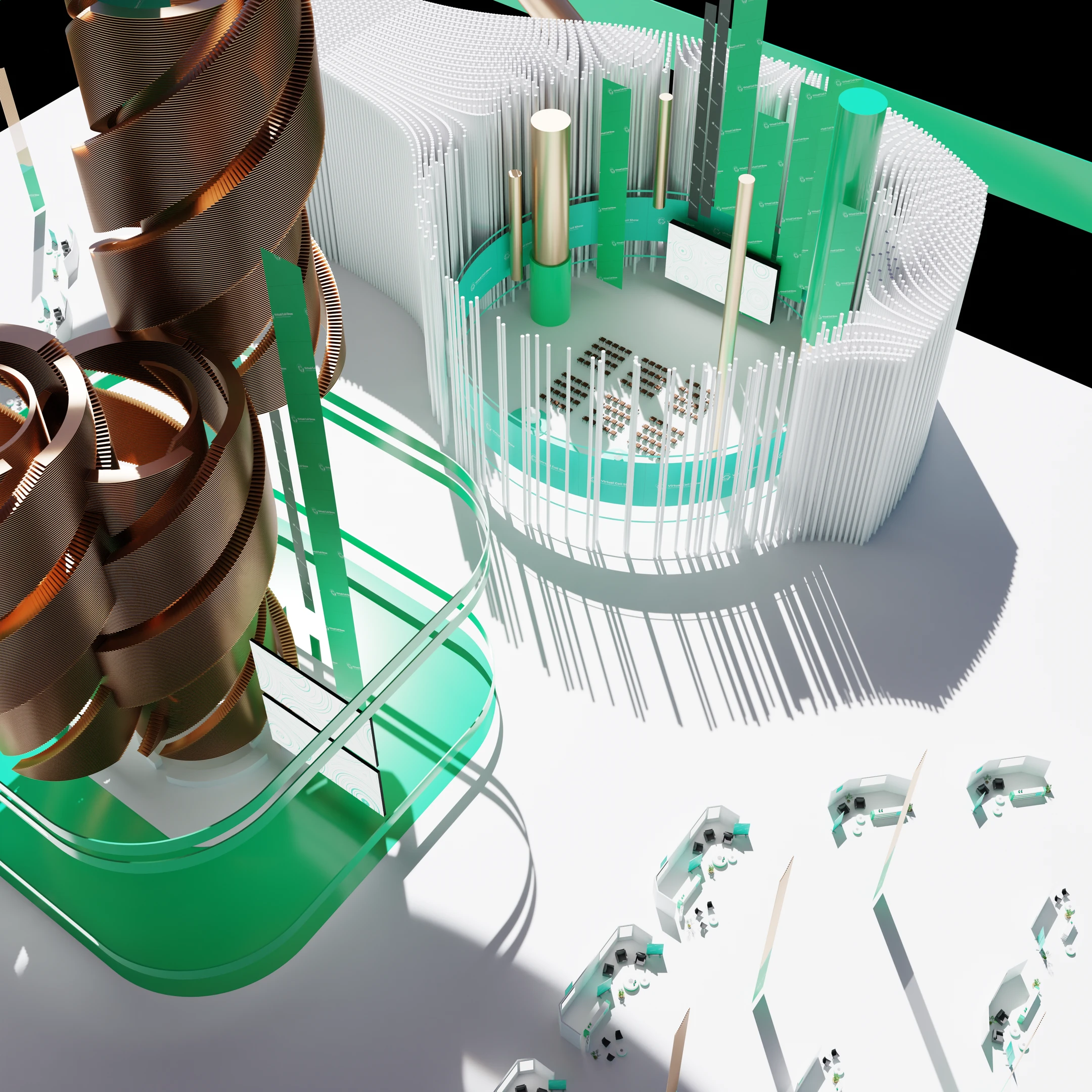
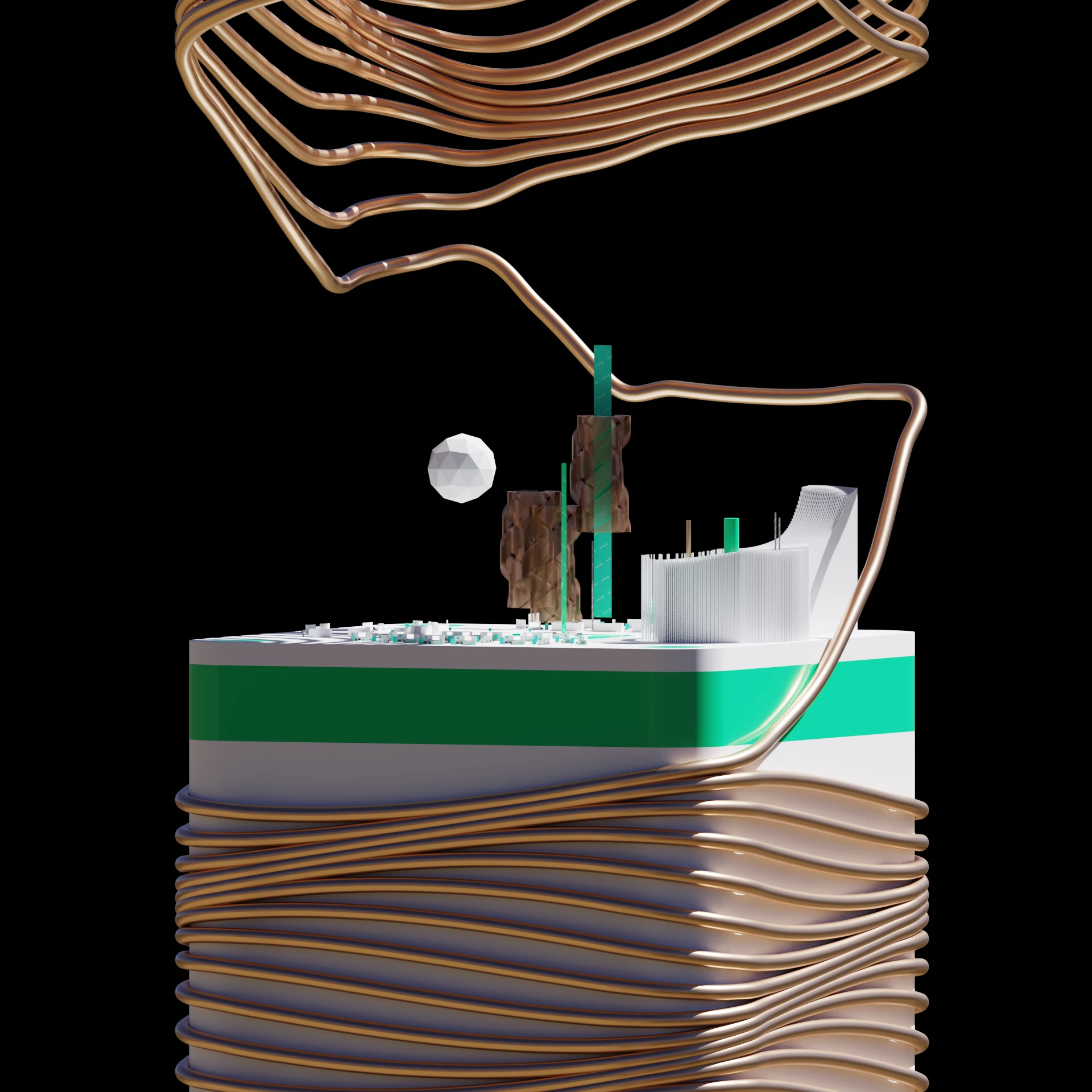
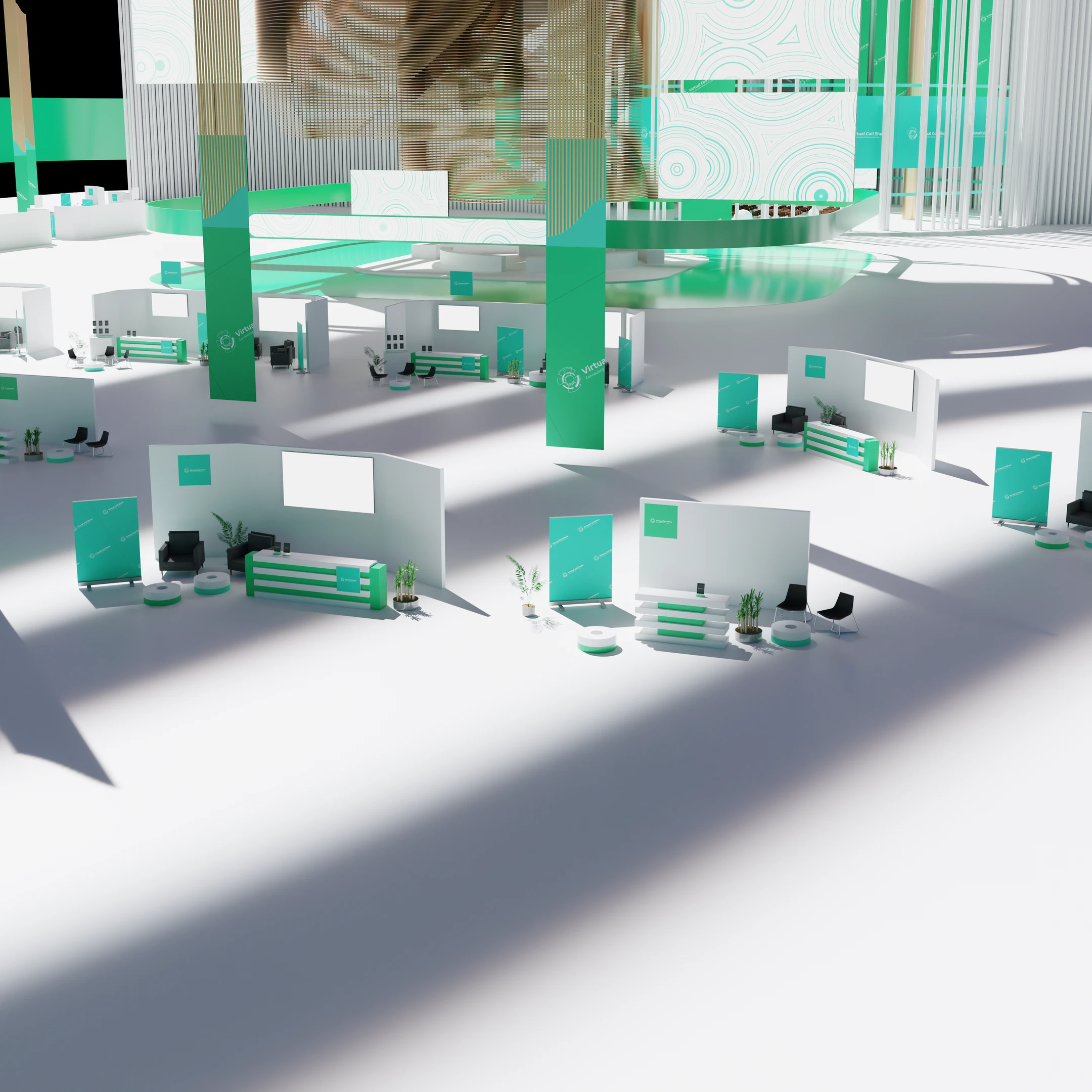
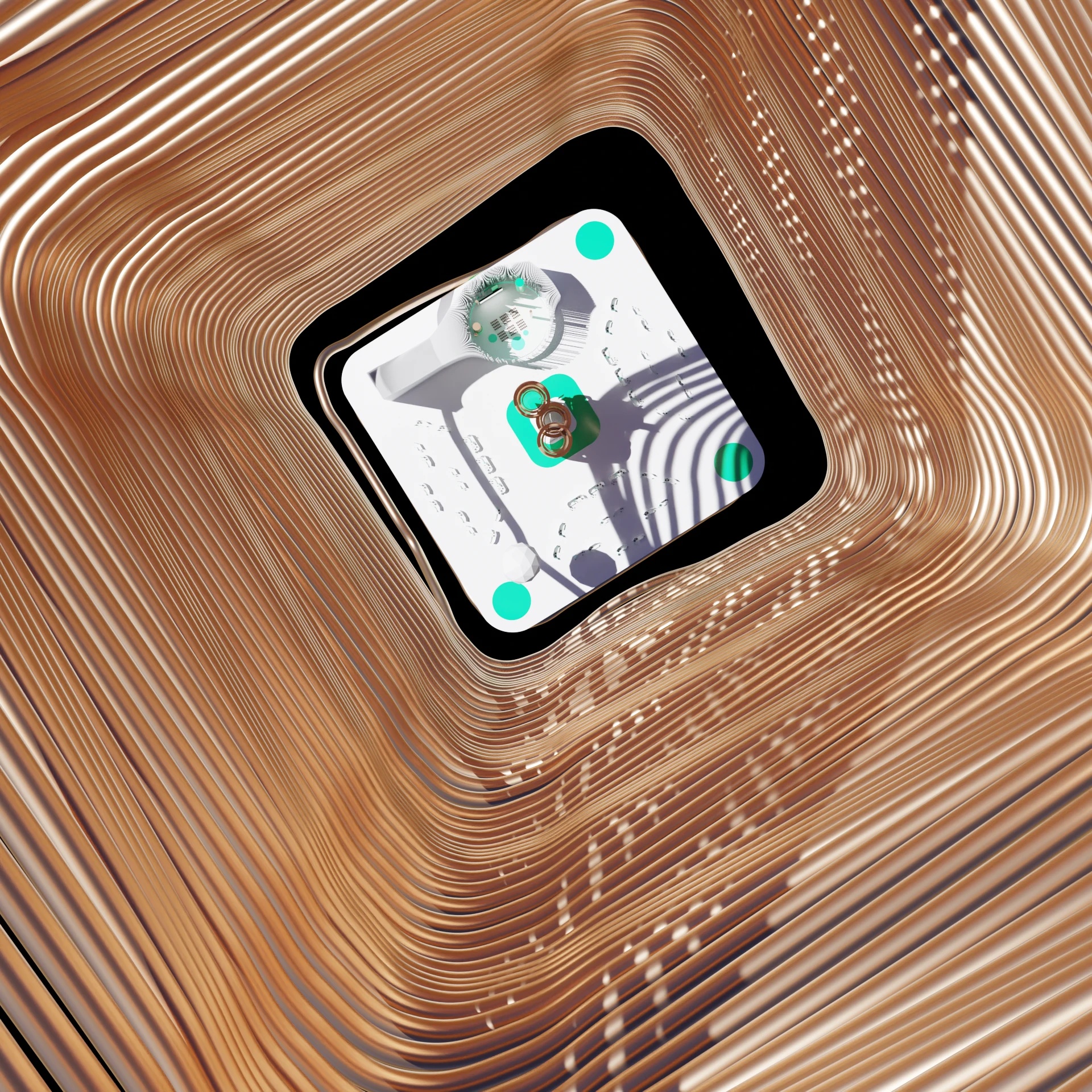
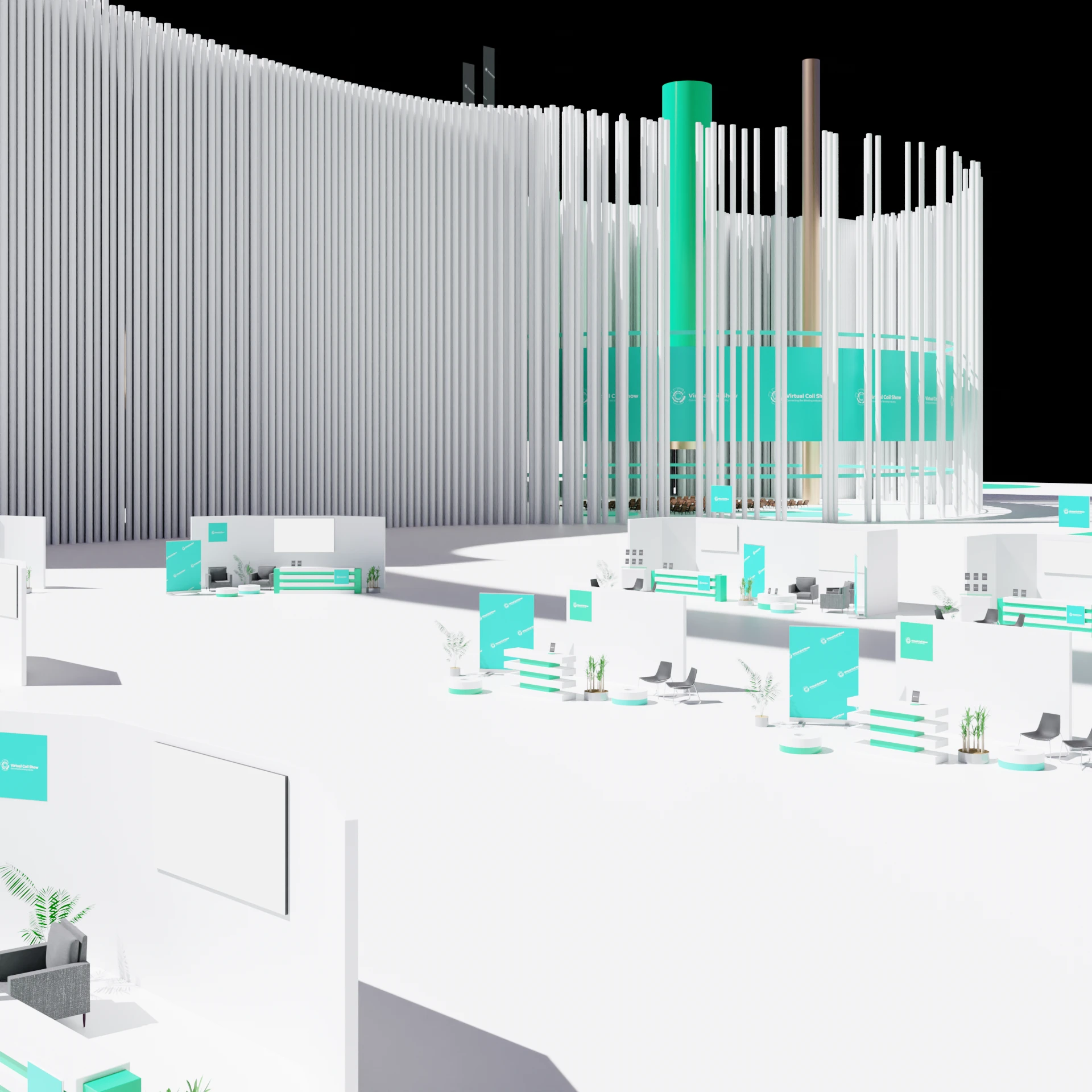
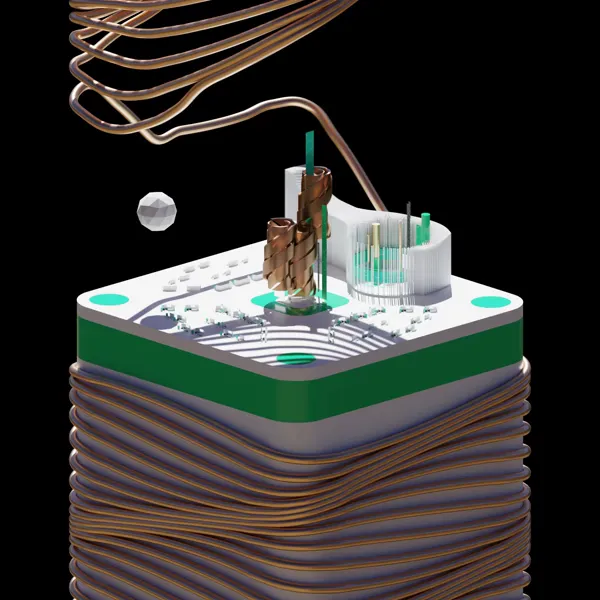
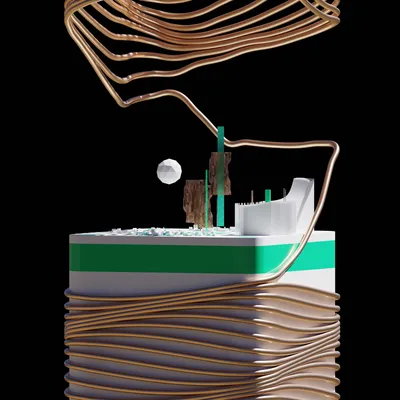
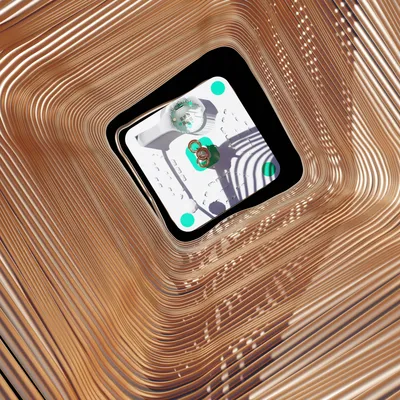
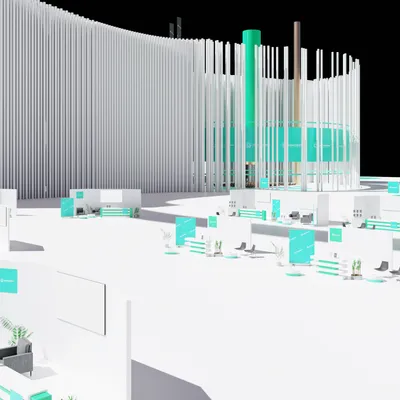
VRtual X did a lot of virtual exhibitions during the COVID-19 pandemic. This is a concept I did for an exhibition for a German company that manufactures conducting and insulating products for electrical insulation systems.
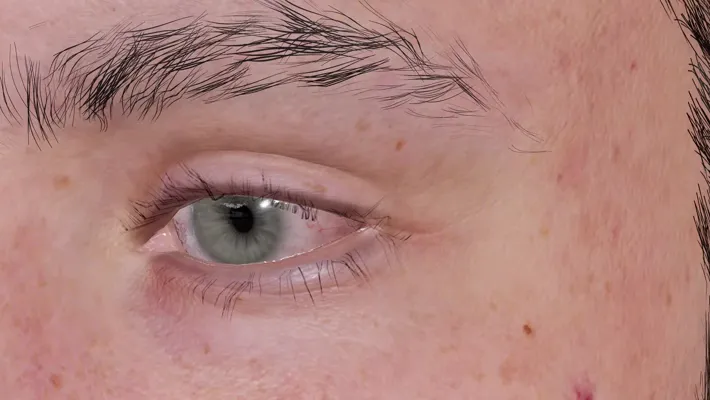
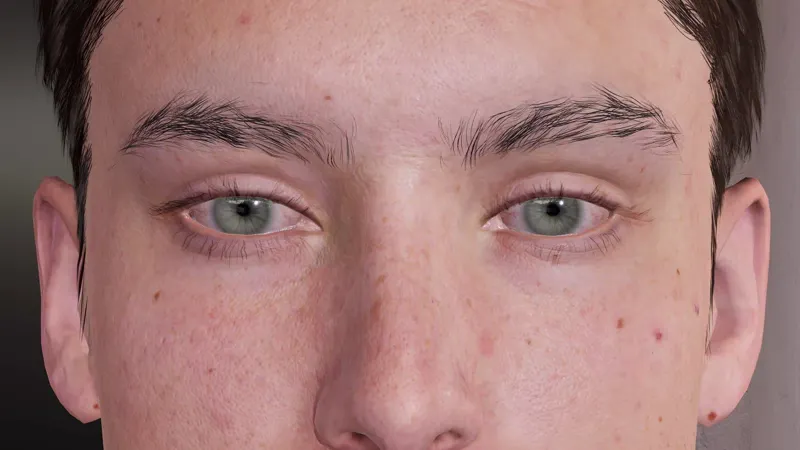
During my time at VRtual X, I developed a custom workflow that allows the use of Unreal MetaHumans for Unity VR projects. The Unity MetaHumans have a full body rig and support ARKit shapekeys for facial motion capture.
As part of this project, I also developed a set of Unity shaders for Hair, Skin and Eyes. These shaders try to use as many of the Unreal resources as possible while keeping performance impact as low as possible for mobile VR applications. That means the visual quality cannot match the desktop Unreal version, but there are still many cool features in these shaders: Eyes support parallax mapping, custom iris lighting, adjustable eye colors and pupil dilation. Hair supports translucency, strand coloring and most importantly anisotropic reflections. Skin supports simple subsurface approximation and microskin details. The workflow I developed is to my knowledge the most complete Unreal to Unity MetaHuman workflow.
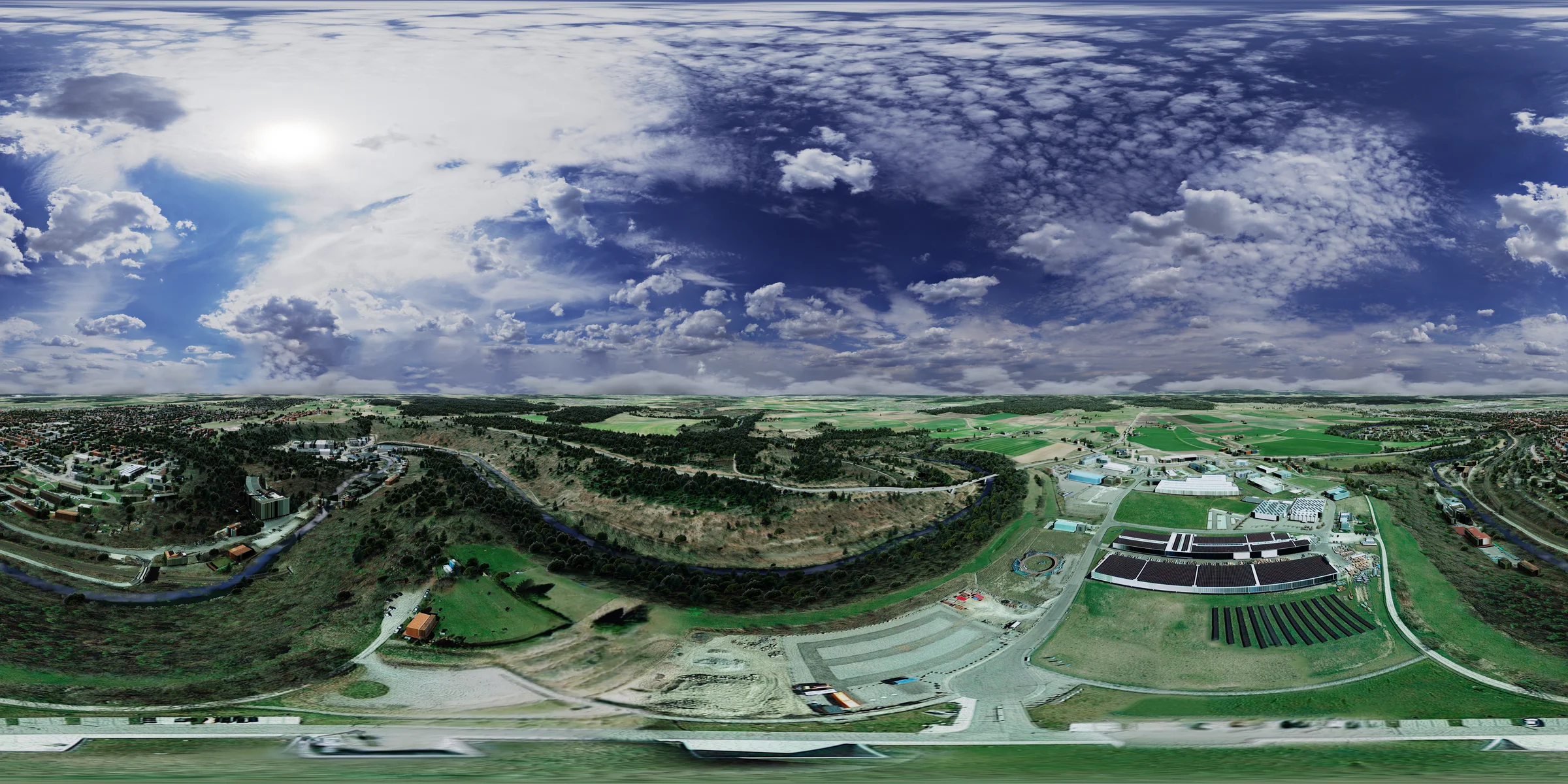
# Rottweil Environment This panoramic rendering is part of an ongoing VRtual X project. The image will be used in Unity in combination with a custom cloud shader. It's for a VR app on a mobile device, so a prerendered background was the best option. Luckily the camera in the app is more or less fixed on top of a 250m high tower. I used digital elevation data and OpenStreetMap to recreate the landscape around the TK Elevator Test Tower in Rottweil, Germany. Once the project is finished I will be able to show in-engine content that better illustrates the final use case of this environment.
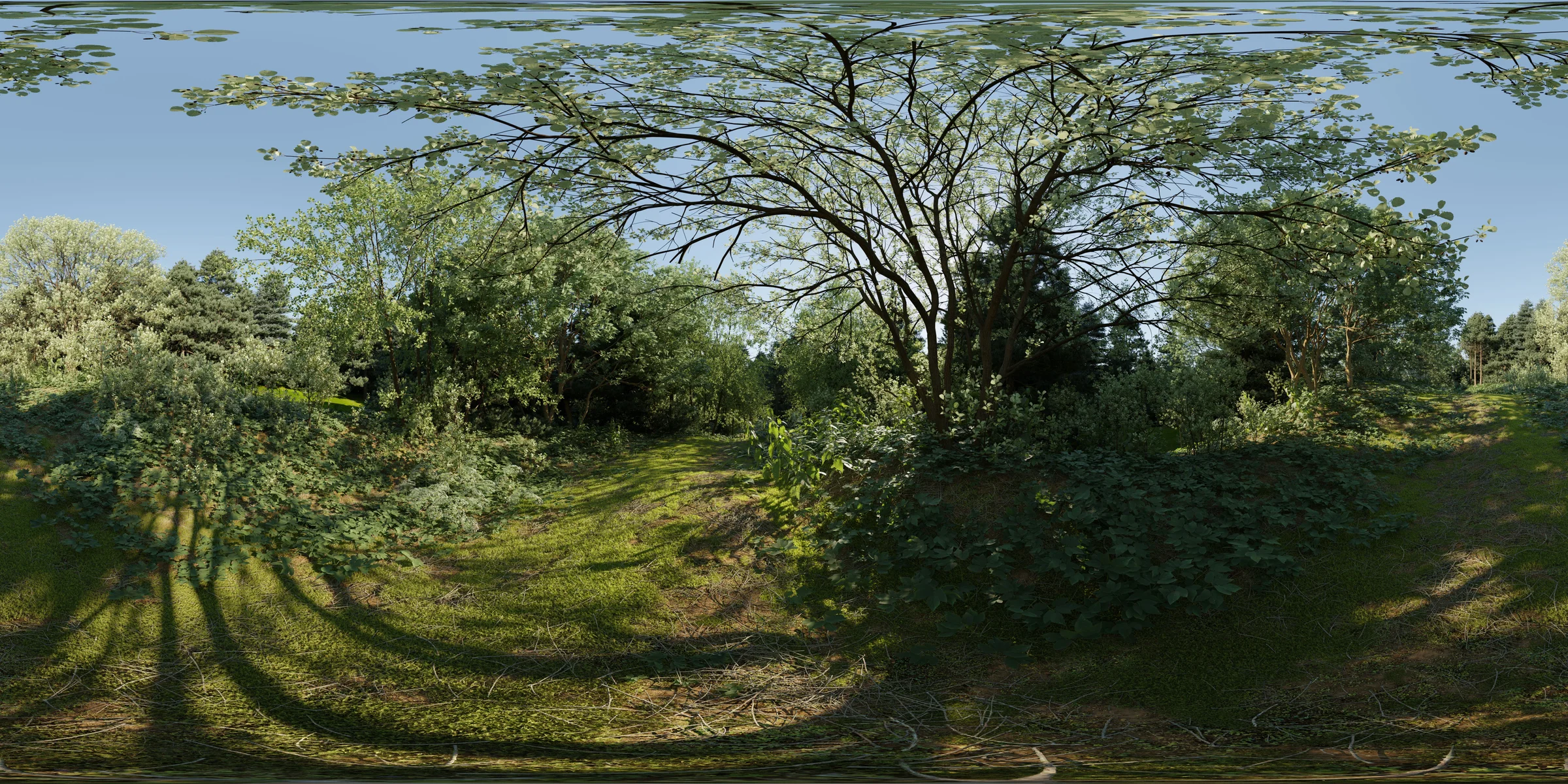
# Forest of Knowledge In this very large project I worked on at VRtual X we created a forest environment for a 360 panoramic showroom. Overall we did about 40 panoramic renderings in this environment. [...]
Often CAD models are hard to use directly in mobile VR applications with tight performance targets. To integrate them into a larger scene, they need to be optimized. To make that process more streamlined, I developed custom tools for VRtual X. [...]
Since Blender introduced geometry nodes I have been using them A LOT. These transmission towers are modeled as a lowpoly block-in. Geometry nodes then uses that lowpoly mesh to place all the beams, wires, insulators and details.
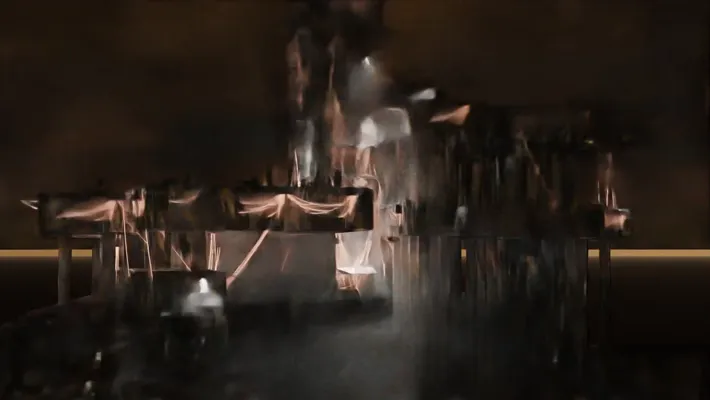
This is a small Blender Geometry Nodes experiment, where I wanted to try out methods to generate complex geometry from simple blockout meshes. It turned into a kind of horror scene that reminds me of a steel mill.
VRtual X did a lot of virtual exhibitions during the COVID-19 pandemic. This is a concept I did for an exhibition for a German company that manufactures conducting and insulating products for electrical insulation systems.
During my time at VRtual X, I developed a custom workflow that allows the use of Unreal MetaHumans for Unity VR projects. The Unity MetaHumans have a full body rig and support ARKit shapekeys for facial motion capture.